
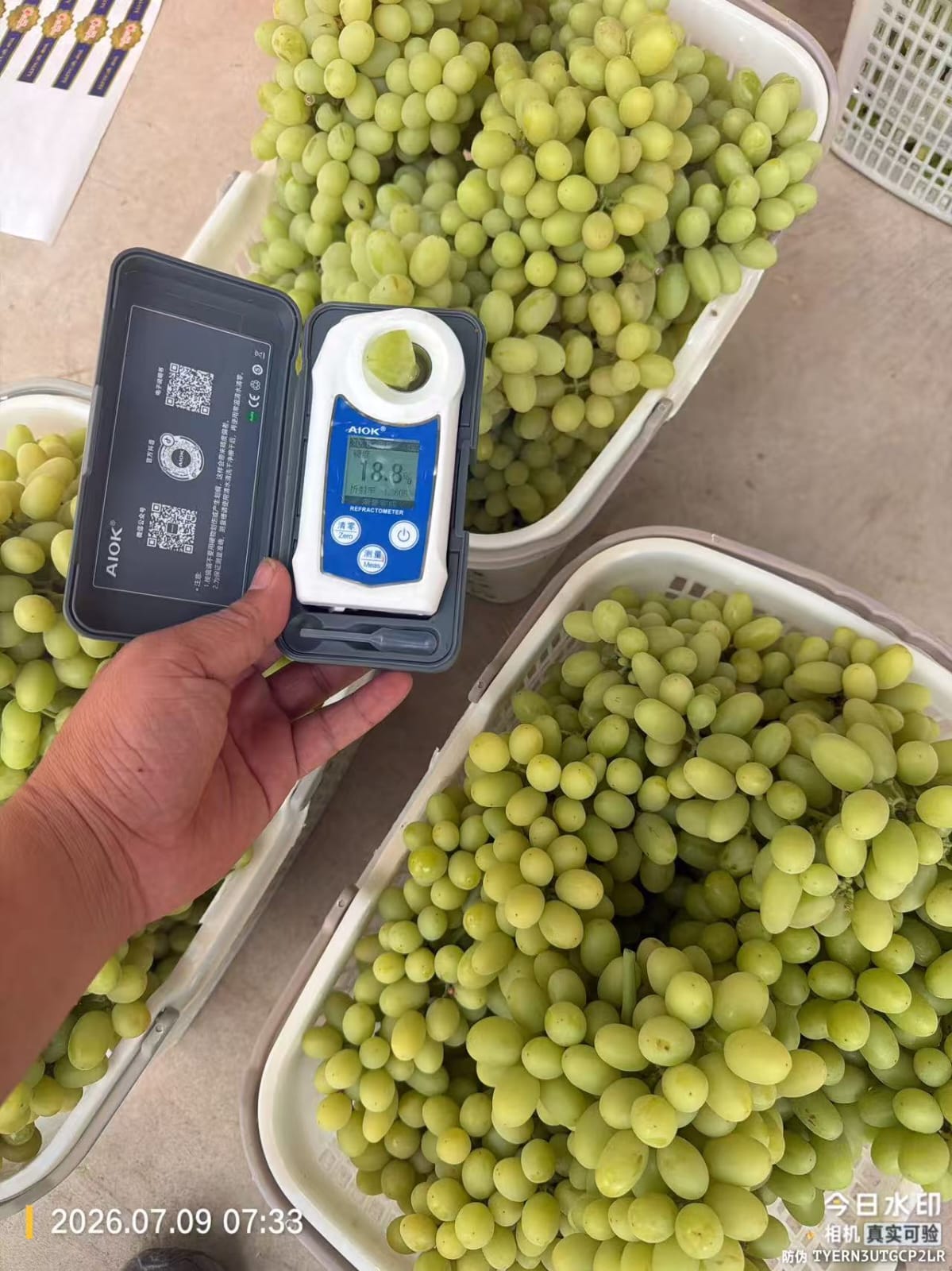
Grapes White
White grapes—often called green grapes—are one of the most popular, versatile, and widely cultivated fruit varieties in the world. Ranging in color from pale yellow-green to deep amber, they are prized for their crisp texture, refreshing sweetness, and balanced acidity.
1. Popular Varieties
White grapes come in both seedless and seeded varieties, spanning table grapes for fresh snacking and wine grapes for viticulture.
- Thompson Seedless (Sultanina): The gold standard for snacking and raisins. Crisp, sweet, and widely available globally.
- Cotton Candy: A modern hybrid variety known for its distinct, intensely sweet flavor resembling spun sugar.
- Muscat of Alexandria: An ancient variety famous for its floral aroma and high sugar content, used both for eating fresh and making sweet wines.
- Chardonnay & Sauvignon Blanc: Renowned wine grape varieties harvested for their complex acidity, citrus notes, and oak-aging potential.
2. Key Health & Nutritional Benefits
Despite their light color, white grapes pack a strong nutritional punch:
- Rich in Antioxidants: Contain polyphenols, flavonoids, and vitamin C that help fight oxidative stress and support immune health.
- Heart & Circulation: Potassium and organic compounds help regulate blood pressure and promote healthy blood flow.
- Hydration & Digestion: High water content (around 80–85%) combined with natural dietary fiber aids digestion and keeps you hydrated.
- Natural Energy: Packed with fast-absorbing natural sugars (fructose and glucose) for a quick boost.
3. Storage & Post-Harvest Care
To keep white grapes crisp, sweet, and free from decay, proper handling is essential:
- Temperature: Store cold immediately after harvest or purchase (0°C to 1°C / 32°F to 34°F is optimal for long-term freshness).
- Humidity: Maintain high relative humidity (90%–95%) to prevent the stems from drying out and the grapes from shriveling.
- Washing: Wash with cold water only right before eating. Pre-washing adds moisture that accelerates mold and decay (such as Botrytis gray mold) during storage.
- Air Circulation: Keep them in ventilated bags or perforated containers to prevent moisture buildup.
China has emerged as a major global player in fresh white (green) table grape production and export. Driven by modern cultivation techniques and expanding acreage across southern and western provinces, Chinese white grapes offer a strong balance of high sugar content, appealing presentation, and competitive pricing.
Varieties
1. Shine Muscat (阳光玫瑰 - Yangguang Meigui)
- Characteristics: Very large, translucent yellow-green berries with thin, crisp edible skin and a distinct floral/rose muscat aroma.
- Brix / Sugar: Highly concentrated sweetness (18–22° Brix) with low acidity.
- Market Status: China’s flagship luxury table grape. China’s large-scale production has made this once-expensive Japanese variety available globally at a fraction of the cost, making it extremely popular across Southeast Asia and the Middle East.
2. Thompson Seedless (无核白 - Wuhebai)
- Characteristics: Elongated, light green to amber berries, seedless with a firm, juicy crunch.
- Brix / Sugar: Typically 16–18° Brix with a balanced, refreshing taste.
- Market Status: Heavily cultivated in dry inland regions (like Xinjiang) for fresh export, domestic consumption, and raisin processing.
3. Victoria & Green Seedless Hybrids (e.g., Autumn Crisp, Sweet Globe)
- Characteristics: Large, uniform oval berries with firm flesh and excellent post-harvest storage life.
- Market Status: Popular for mass-market retail and supermarket chains due to their durability during maritime transit.
Major Production Regions
- Yunnan Province: Offers a uniquely extended production window due to its microclimates. Early-season crops ripen ahead of other regions, allowing for early market entry.
- Xinjiang (Turpan Basin): Famous for dry, high-sunlight conditions that produce exceptionally sweet Thompson Seedless grapes.
- Sichuan, Hunan & Guangxi: High-tech greenhouses and bag-cultivation techniques in these provinces produce premium-grade Shine Muscat grapes.
Export Dynamics & Advantages
- Price Competitiveness: Chinese white grapes (especially Shine Muscat) sell at wholesale prices significantly lower than those from Japan or South Korea, providing importers with higher profit margins.
- Key Destinations: Primary export markets include Southeast Asia (Thailand, Vietnam, Malaysia, Indonesia, Singapore), South Asia, Russia, and the Middle East (UAE, Saudi Arabia).
- Packaging Formats: Commonly shipped in 3 kg to 7 kg foam boxes with individual bunch bags (SO₂ sulfur pad protection included to maintain stem freshness and prevent decay during transit).
Quality Control & Handling
- When importing or trading Chinese white grapes, key specifications to monitor include:
- Stem Condition: Stems should remain pliable and green. Brown, brittle stems indicate cold-chain breakdown or extended storage.
- Berry Attachment: Look for strong attachment force to prevent "shatter" (loose grapes detaching in transit).
- Cold Storage Range: Best maintained at 0°C to 1°C with 90%–95% relative humidity throughout the cold chain.
You May Also Like
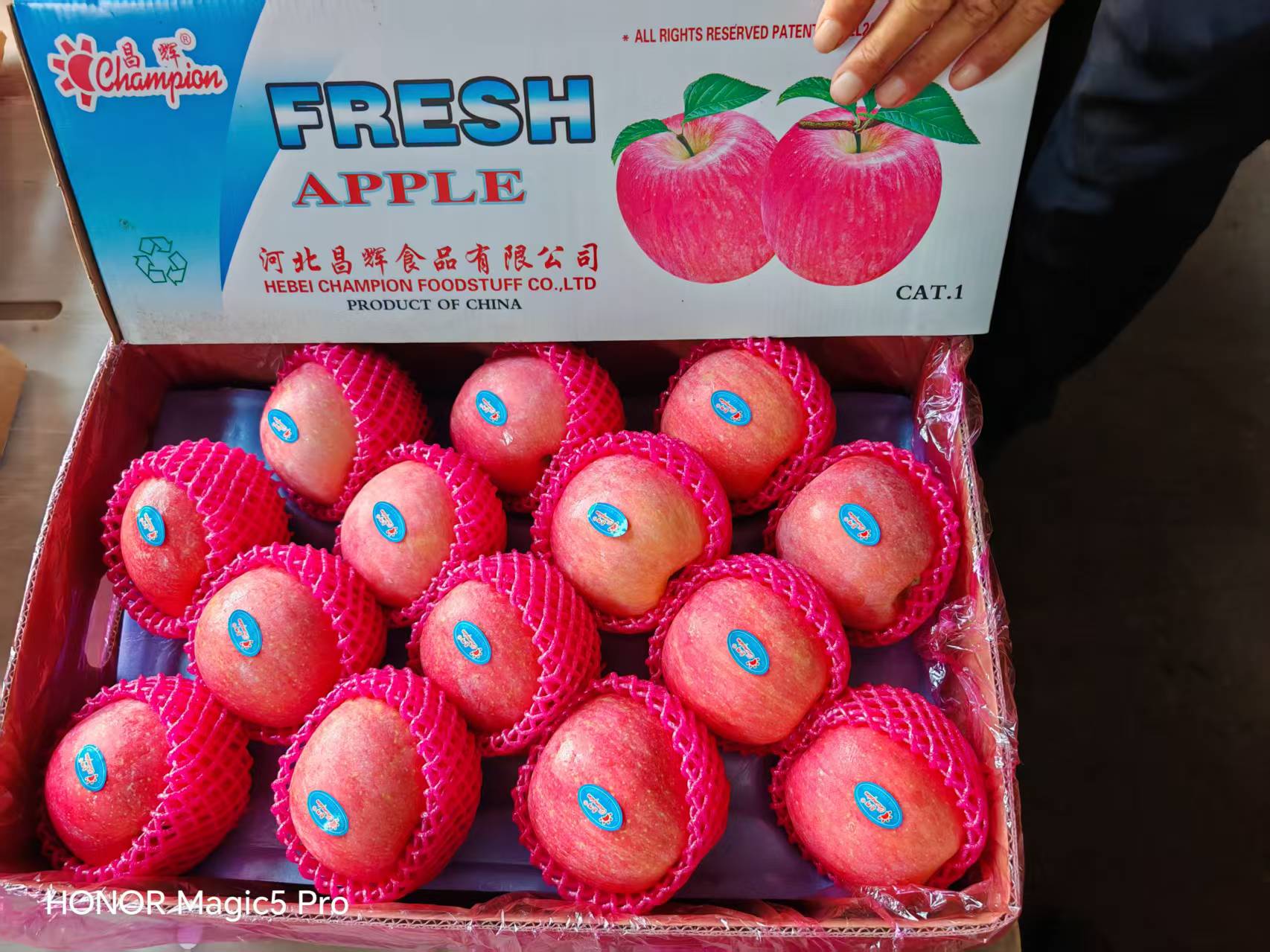
Fuji Apple
Apple is a fruit that can be eaten all year round. There are many kinds...
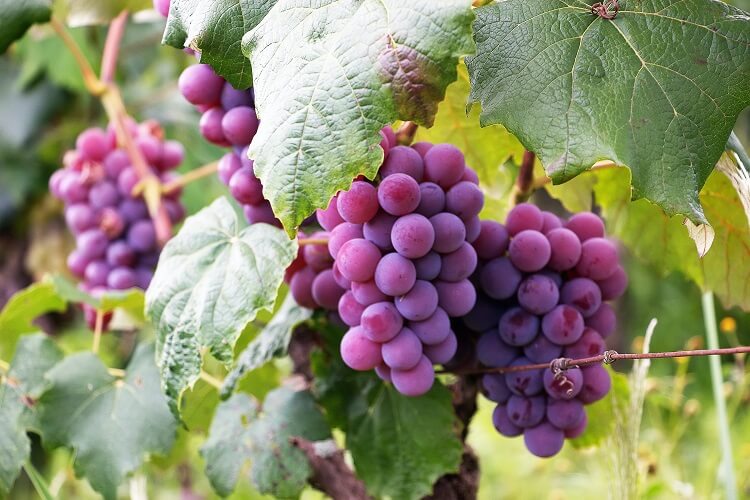
Red Globe
Red grapes are sweet, juicy berries packed with antioxidants, vitamins C...
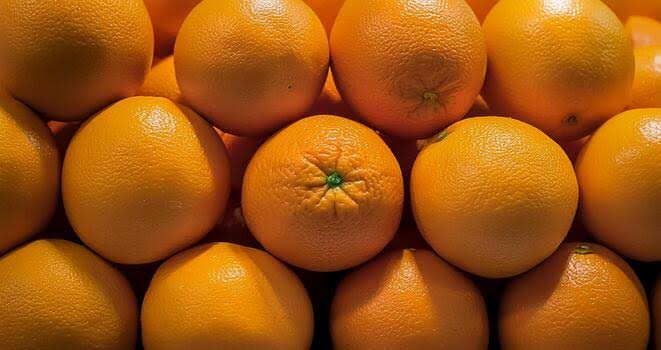
Fresh Orange
Bright, juicy, and packed with citrus sunshine, fresh oranges are one of...